How to Prepare Your Property for Septic Installation in Sunbury, OH
Preparing for septic installation starts with making sure your property is ready for excavation, equipment access, utility considerations, drainage, and the approved system layout. For homeowners and landowners in Sunbury, OH, a little preparation before work begins can help prevent access issues, protect areas that do not need to be disturbed, and keep the project organized.
You do not need to clear the entire property. Instead, focus on understanding the work area, removing obstacles, identifying known site conditions, and coordinating septic installation with other improvements planned for the property.
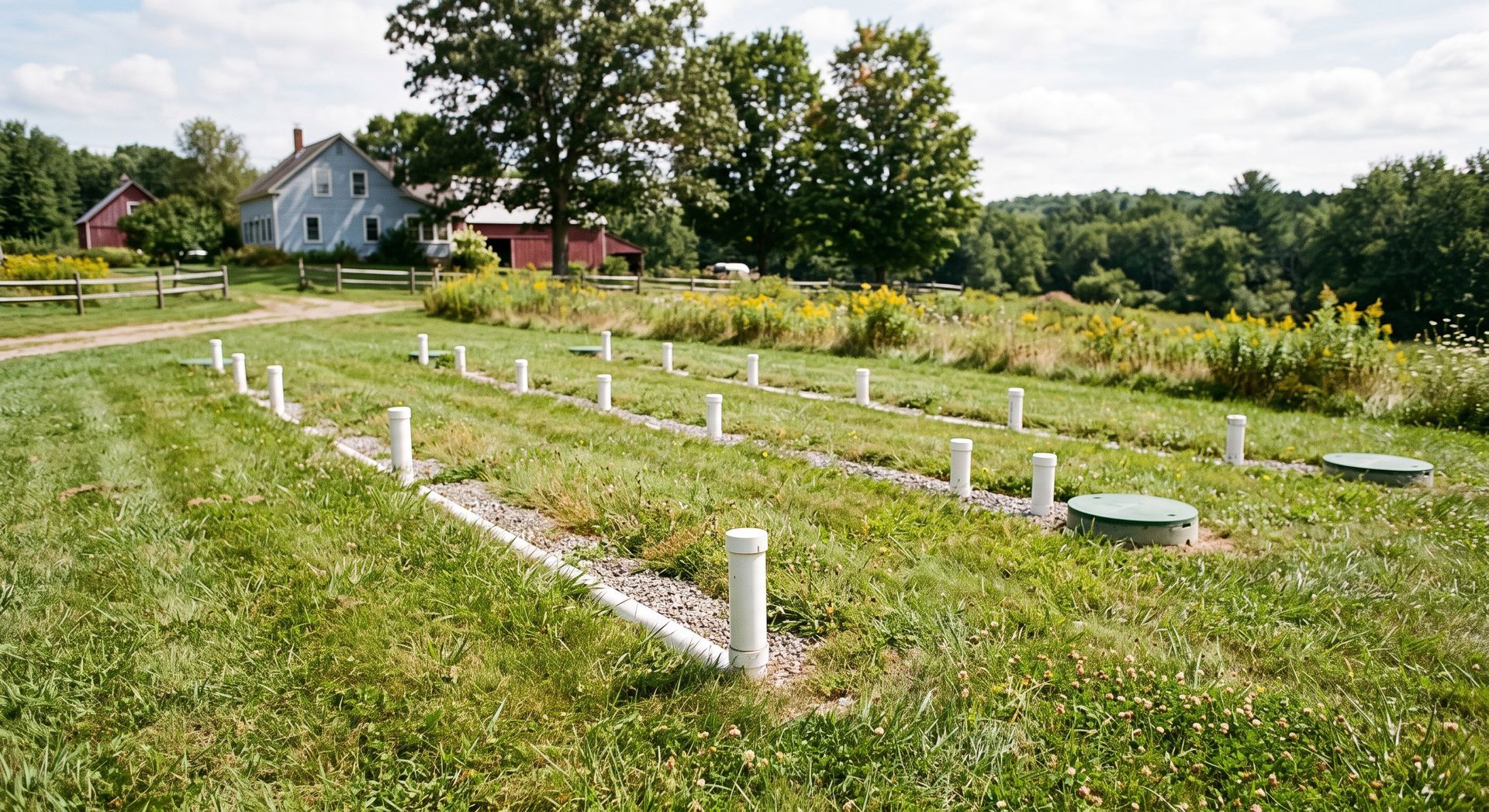
Understand the Septic System Layout
Before moving landscaping or making other changes, understand where the septic tank, connecting lines, and soil absorption area will be located. The approved layout determines where excavation will occur and which portions of the property need to remain protected.
This matters on rural and larger residential properties around Sunbury and Central Ohio, where wells, detached buildings, long driveways, utility lines, and future improvements may share the available space.
If you are planning a new system or replacement, a contractor experienced in septic system installation and repairs
can help you understand how the work fits into the property's overall layout.
Consider Future Improvements
Think about how you may use the property later. A garage, home addition, pole barn, swimming pool, or driveway expansion could affect how available land is used.
Discuss known future projects before septic work begins. Planning them together can help avoid conflicts between protected septic areas and future construction.
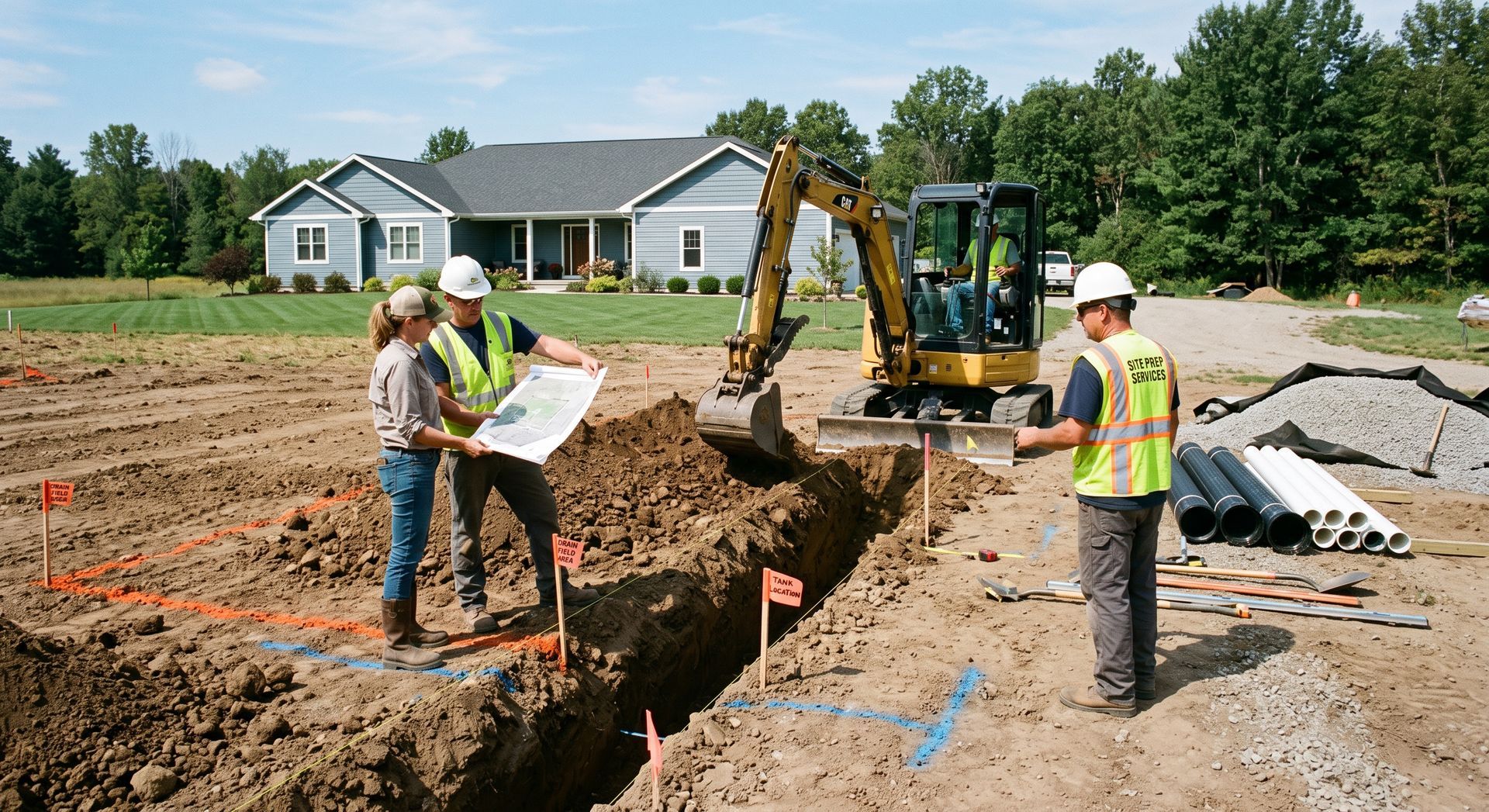
Create Access for Excavation Equipment
Installing a septic system requires access for excavators and other equipment, not just standard vehicles. Crews need a practical route from the property entrance to the installation area.
Before work begins, remove movable obstacles such as:
- Vehicles and trailers
- Lawn equipment
- Temporary fencing
- Outdoor furniture
- Stored construction materials
- Portable play equipment
Do not remove permanent landscaping, fencing, or structures unless the contractor confirms they interfere with the planned work.
Identify Areas That Need Protection
Tell your contractor about mature trees, gardens, landscaping, hardscaping, or other features you want protected.
Discussing an equipment route before excavation begins can help limit unnecessary traffic across established lawns and other sensitive areas. This is especially useful when installing a system at an occupied home rather than on vacant land.
Identify Underground Utilities Before Excavation
Underground infrastructure is an important consideration whenever excavation is involved. Electric, gas, water, and communication lines may affect where and how work can proceed.
Rural properties can also have private infrastructure that is not immediately visible. Examples include water lines from wells, electrical lines to detached buildings, drainage pipes, irrigation components, and utilities serving barns or garages.
Share Information About Private Lines
Tell your contractor about private lines or older infrastructure you know exists on the property. If you have previous site plans or records showing where something was installed, keep those documents available.
Do not rely on assumptions about where a line travels simply because you can see where it enters and exits a building.
Pay Attention to Drainage Around the Site
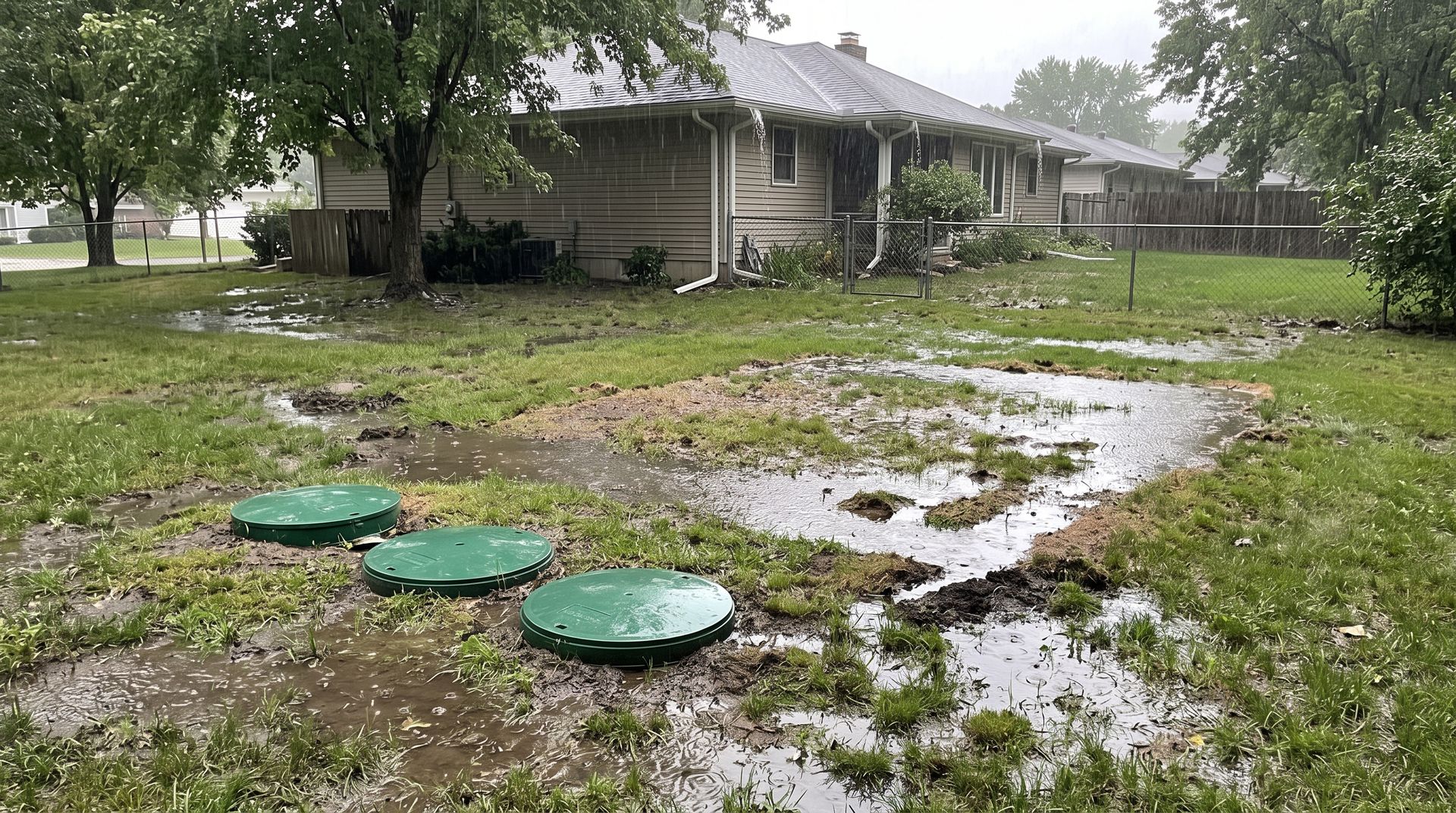
Before installation, observe how rainwater moves across your property. Look for low spots, concentrated runoff, erosion, or areas that remain wet after storms.
Properties around Sunbury can range from developed residential lots to open acreage with long driveways and sloped ground. Because each property handles runoff differently, drainage should be evaluated as part of the site rather than treated as a separate concern.
Keep Surface Water Away From Septic Areas
Downspouts, driveway runoff, and grading should not intentionally direct excess surface water toward septic components.
If your property already has water-management concerns, coordinate them with the larger site plan. Professional driveway and drainage services may be useful when access, grading, and runoff need to work together with septic improvements.
Coordinate Septic Work With Other Construction
New homes and major property improvements often involve foundations, utilities, driveways, grading, excavation, and septic installation. The sequence of this work can affect how smoothly the overall project moves.
For example, completing landscaping before heavy equipment is finished can result in unnecessary disturbance. Storing materials in the septic work area can also restrict access when excavation begins.
Share Your Construction Plans
Tell your septic contractor about other work scheduled for the property. If builders, utility crews, excavation contractors, or driveway crews will be working nearby, discussing the schedule early can help prevent one phase from interfering with another.
This is particularly important when developing vacant land, where several parts of the property may be under construction at the same time.
Plan for the Property After Installation
Ask what to expect from backfilling, grading, and restoration once the primary septic work is complete. Disturbed soil may settle, and newly worked areas may need appropriate follow-up care.
Avoid routinely driving vehicles or placing heavy structures over protected septic areas. Knowing where the tank, lines, and soil absorption area are located can also make future maintenance easier.
Keep system records and relevant site documents with your property information so they are available for future maintenance or construction planning.
FAQs About Preparing for Septic Installation
Should I clear the septic area myself?
Remove movable obstacles, but avoid removing permanent landscaping, trees, or fencing until the contractor identifies what actually needs to be cleared.
Why does equipment access matter?
Excavation equipment needs enough room to safely reach and operate around the installation area. Planning access beforehand can reduce unnecessary disturbance elsewhere on the property.
Should I consider future buildings before installation?
Yes. Garages, additions, pole barns, pools, and other improvements should be considered when planning how different areas of the property will be used.
Should existing drainage problems be discussed?
Yes. Tell your contractor about standing water, runoff, erosion, or persistently wet areas so existing site conditions can be considered during planning.
Ready for Septic Work?
Risha Enterprises provides reliable excavation and septic services across Sunbury and Central Ohio.
Contact us today to get your site ready and your project moving.