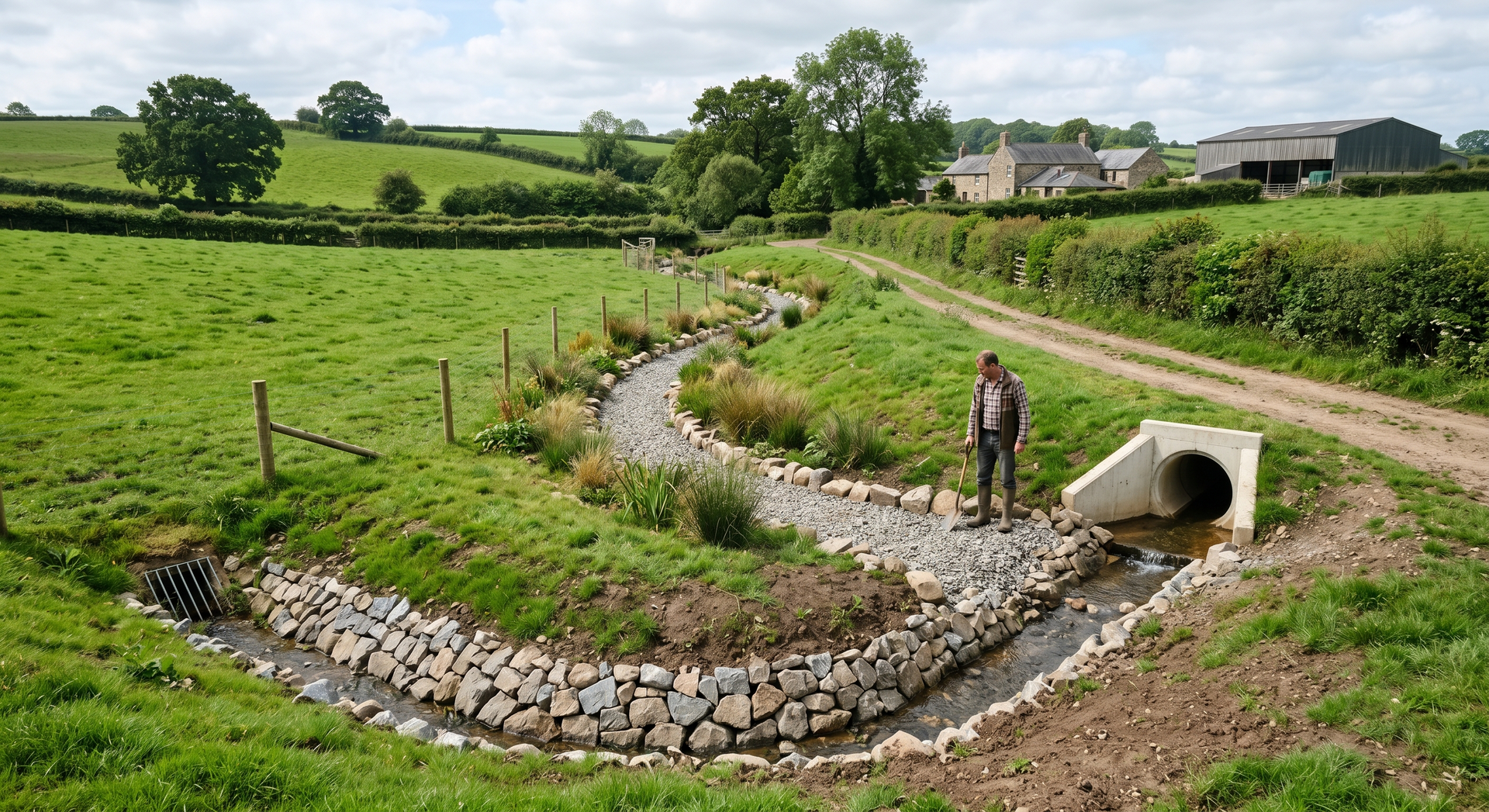
Septic system care for rural homes in Central Ohio involves more than watching what goes down the drain. Homeowners also need to protect the drain field, manage household water use, keep vehicles and equipment away from septic components, and consider the system when planning future improvements.
That matters on rural properties around Sunbury, where larger lots may include wells, barns, workshops, long driveways, private utility lines, and open acreage. Knowing where your septic system is located and protecting that area can help prevent avoidable problems as the property changes over time.
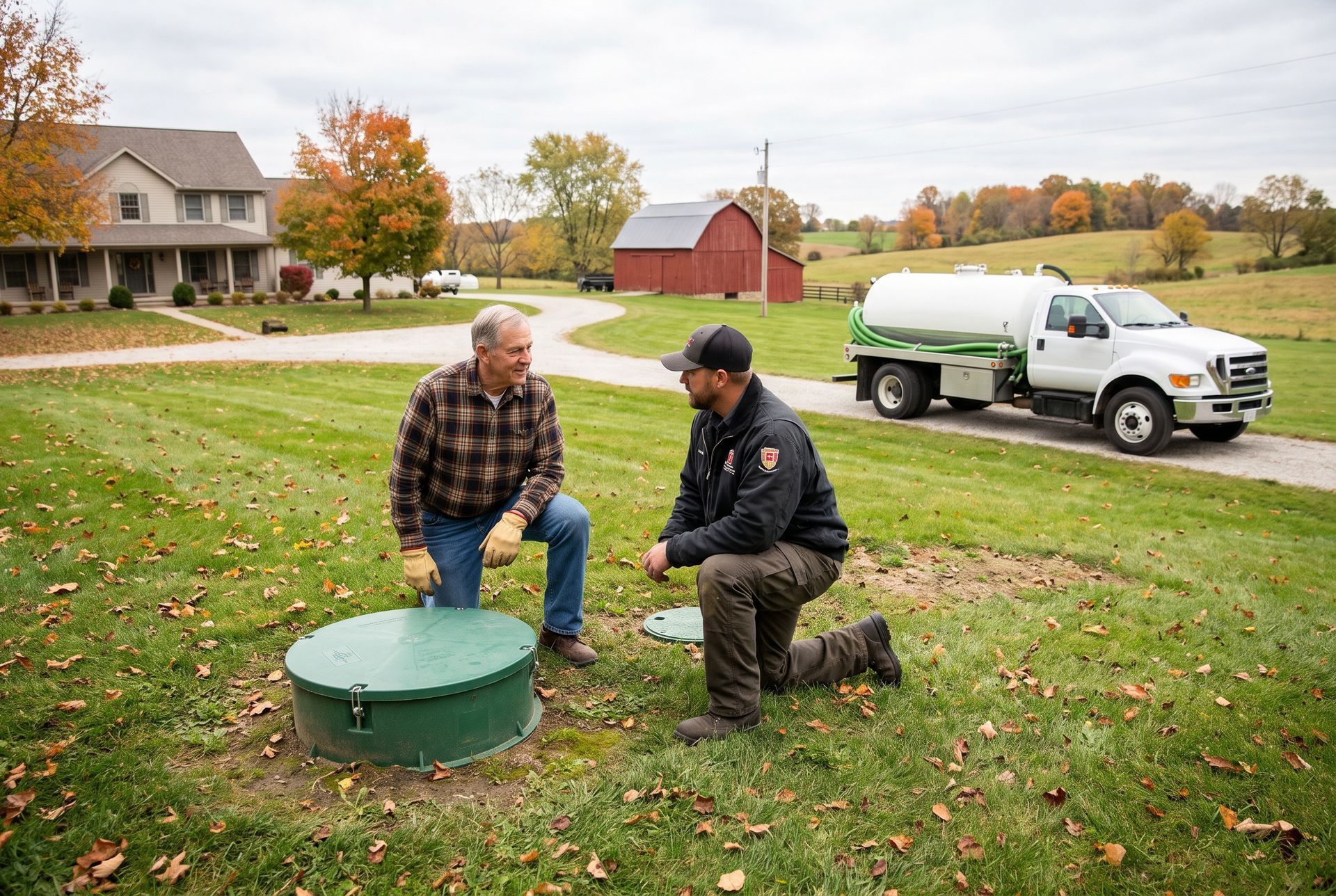
Know Where Your Septic System Is Located
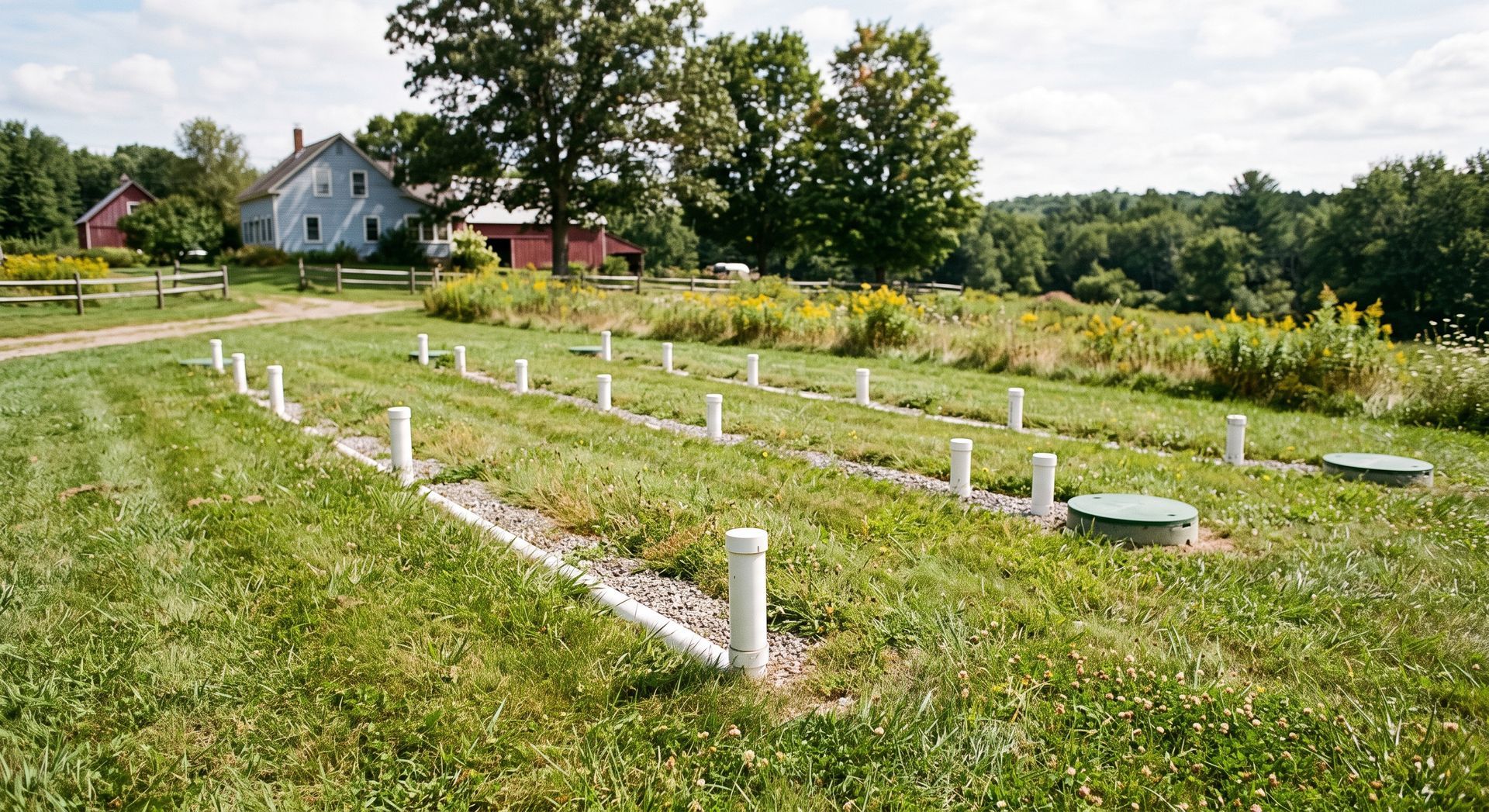
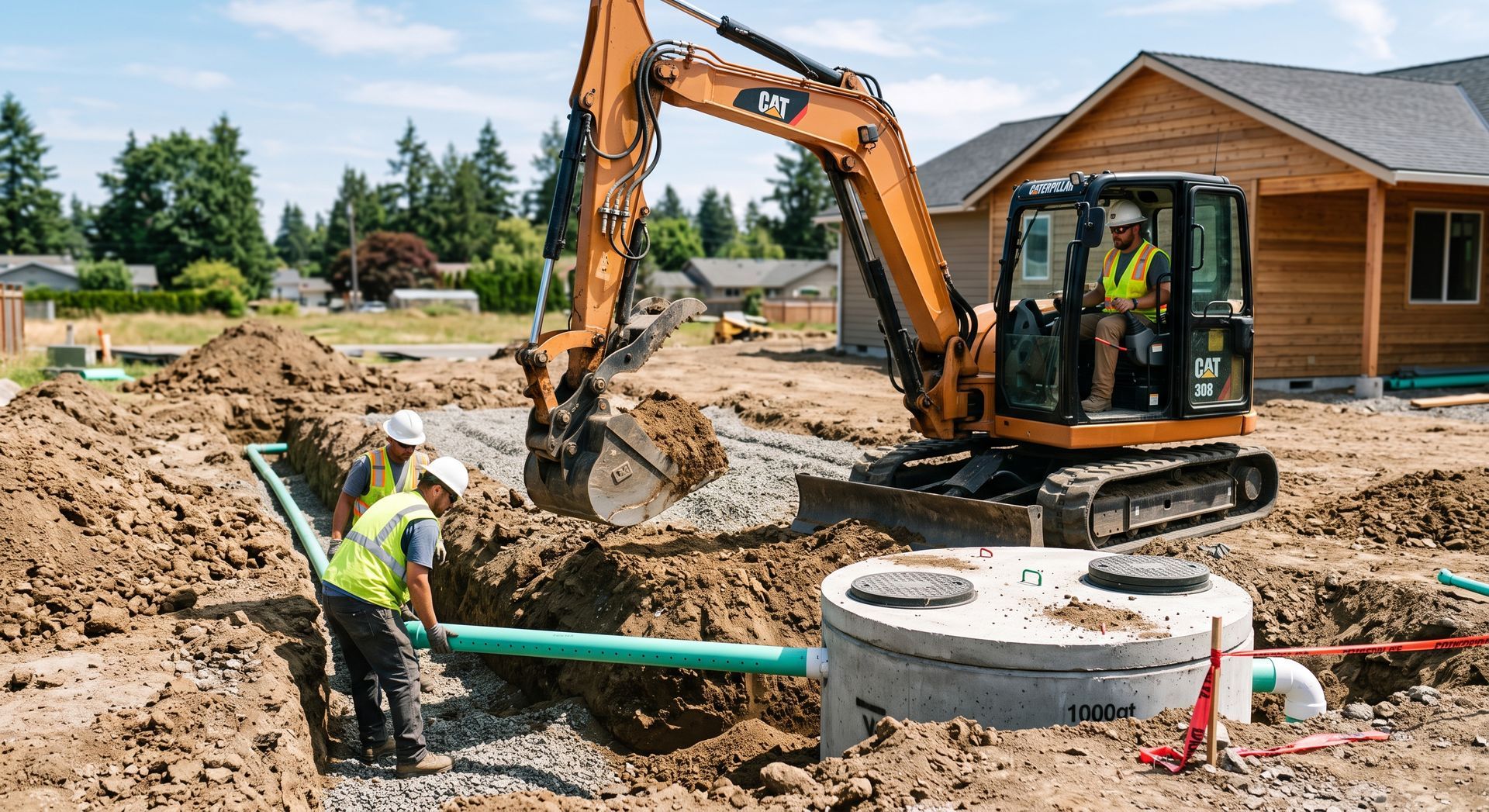
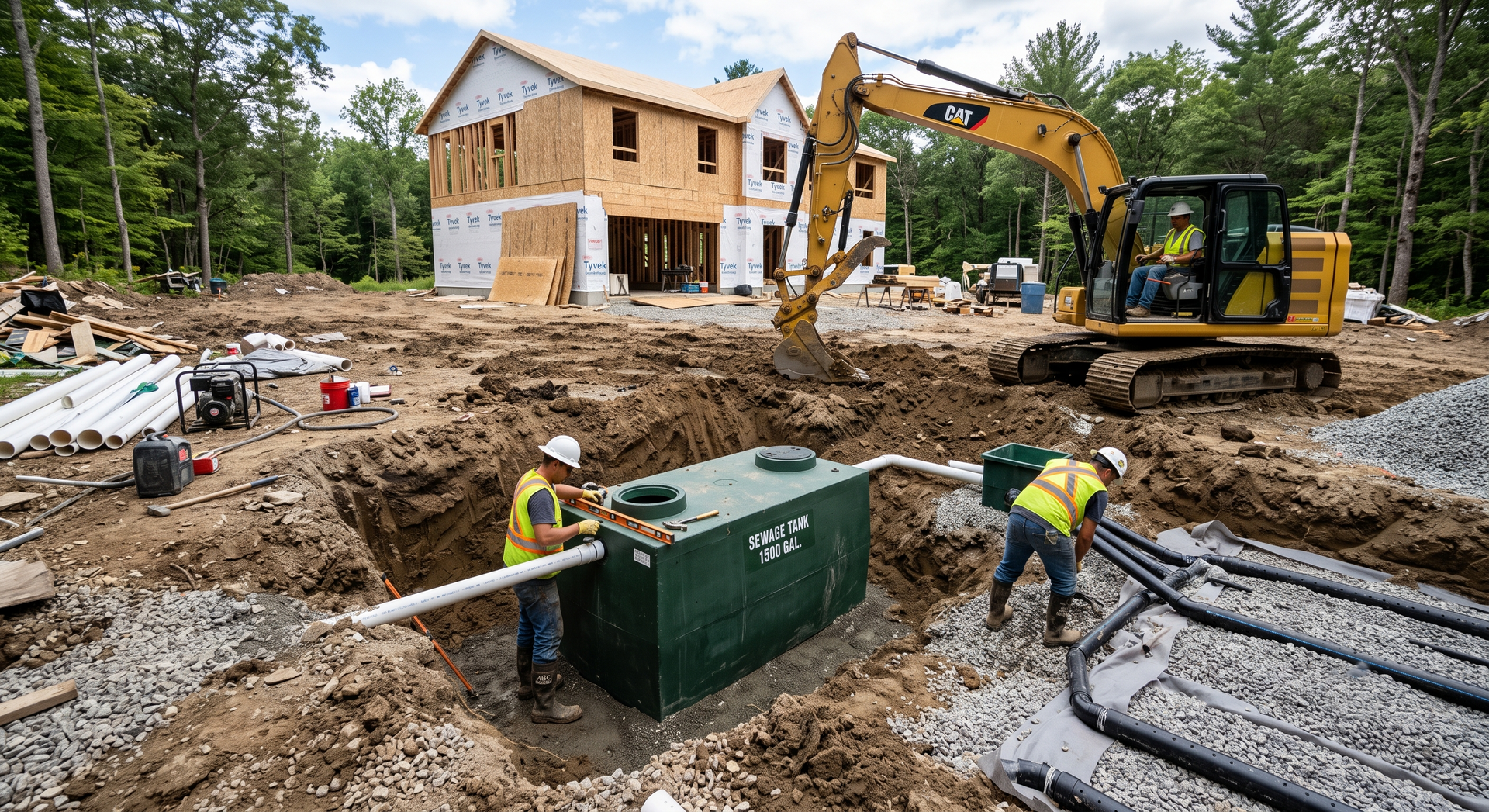
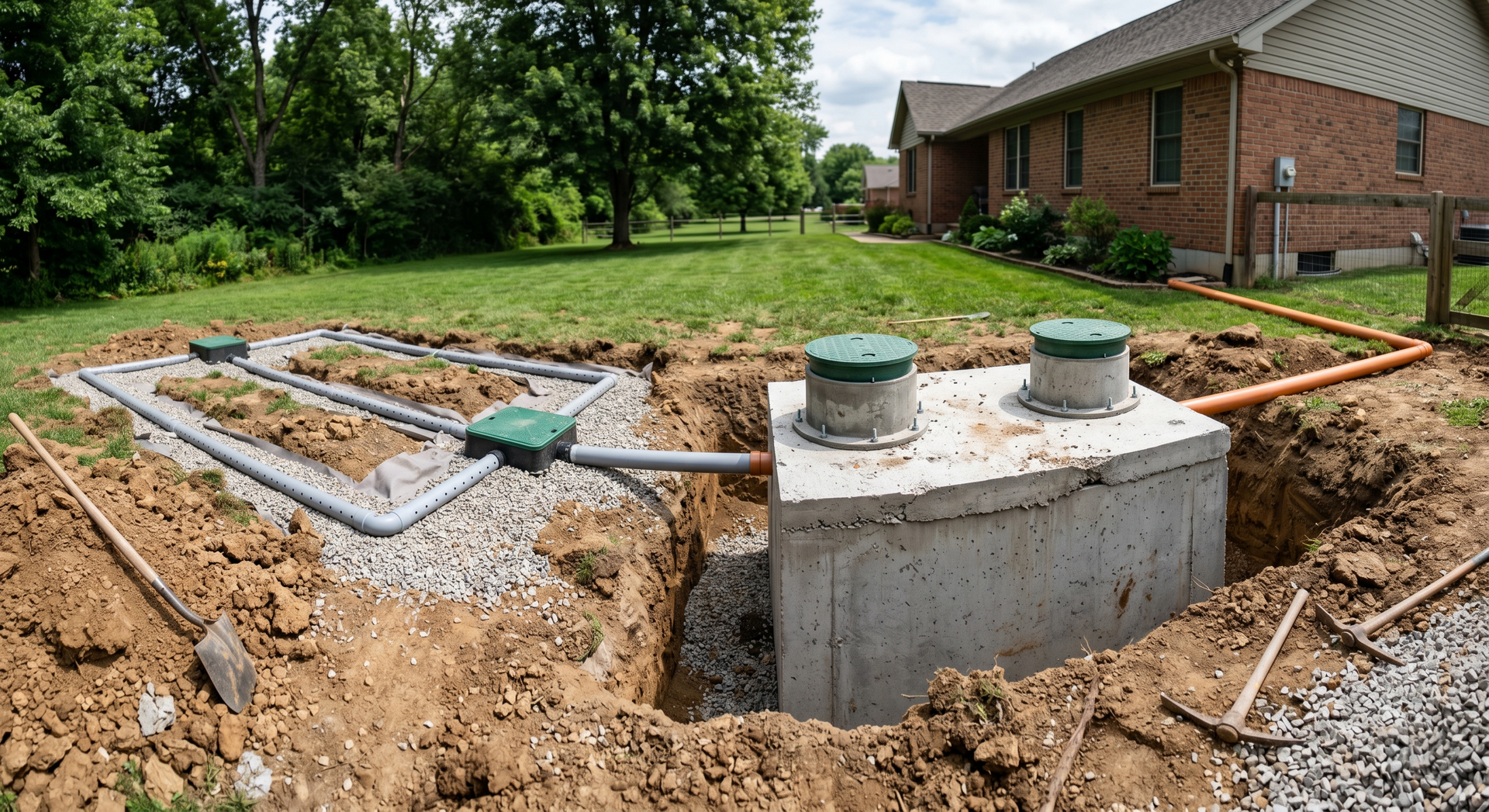
A septic system generally includes a tank, connecting components, and a soil absorption area commonly called the drain field. These parts work together to collect and treat household wastewater.
Rural homeowners should know where the tank and drain field are located rather than relying on estimates or assumptions. This becomes especially important when mowing, landscaping, operating equipment, or planning construction.
Keep available site plans, installation information, inspection records, and service documents with your property records. If a problem develops later, this information can make it easier to understand the system layout.
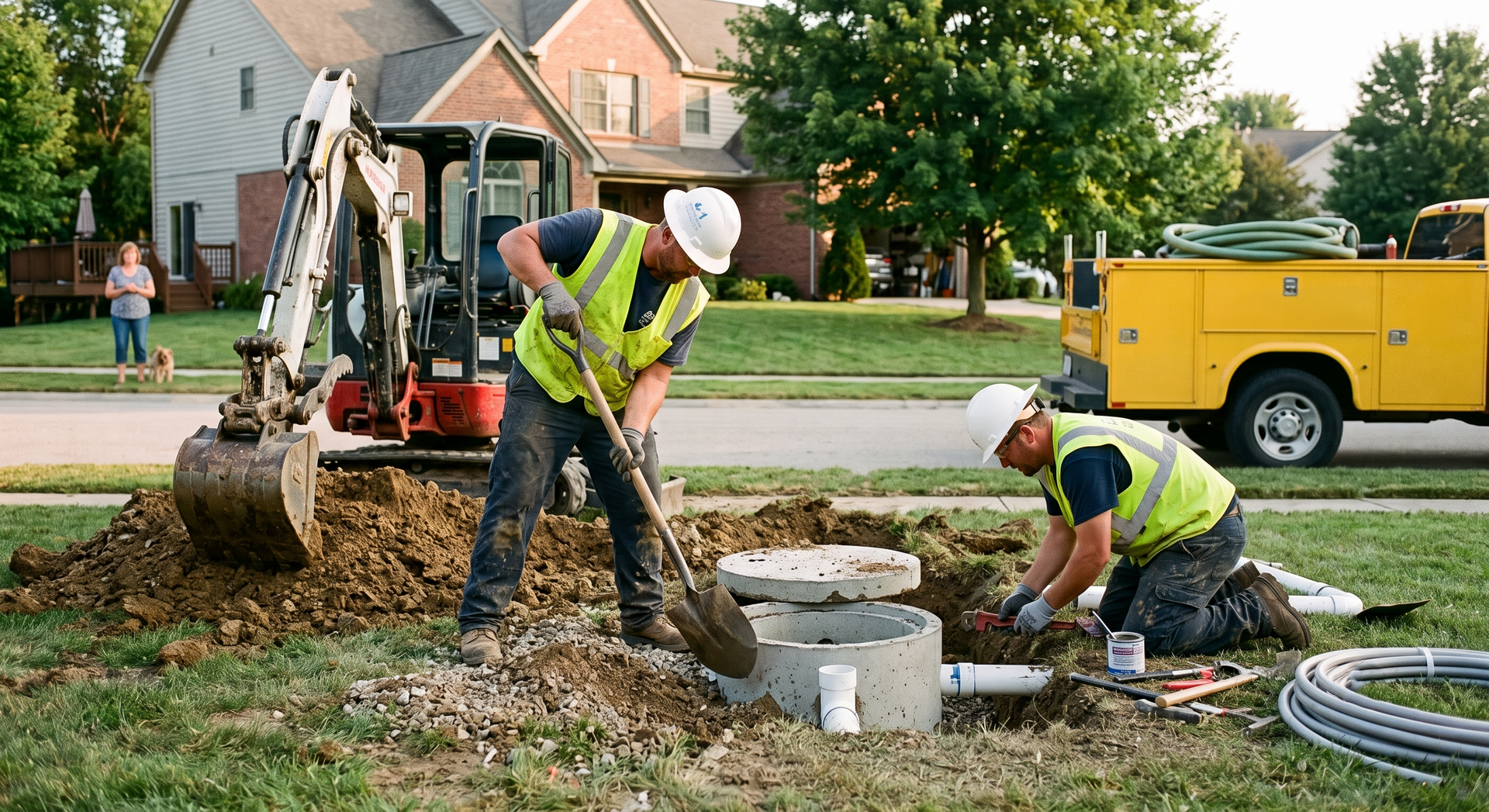
For system concerns or planned septic work, professional septic system installation and repairs can help evaluate the system and surrounding property conditions.
Manage Water Use Throughout the Home
Every shower, toilet flush, laundry cycle, and dishwasher load sends wastewater into the septic system. Normal household use is expected, but sending large volumes of water through the system within a short period can create unnecessary demand.
Simple habits can help:
- Space out laundry loads
- Repair leaking toilets and faucets
- Avoid running multiple water-heavy appliances at once
- Use washing machines and dishwashers efficiently
- Address plumbing leaks promptly
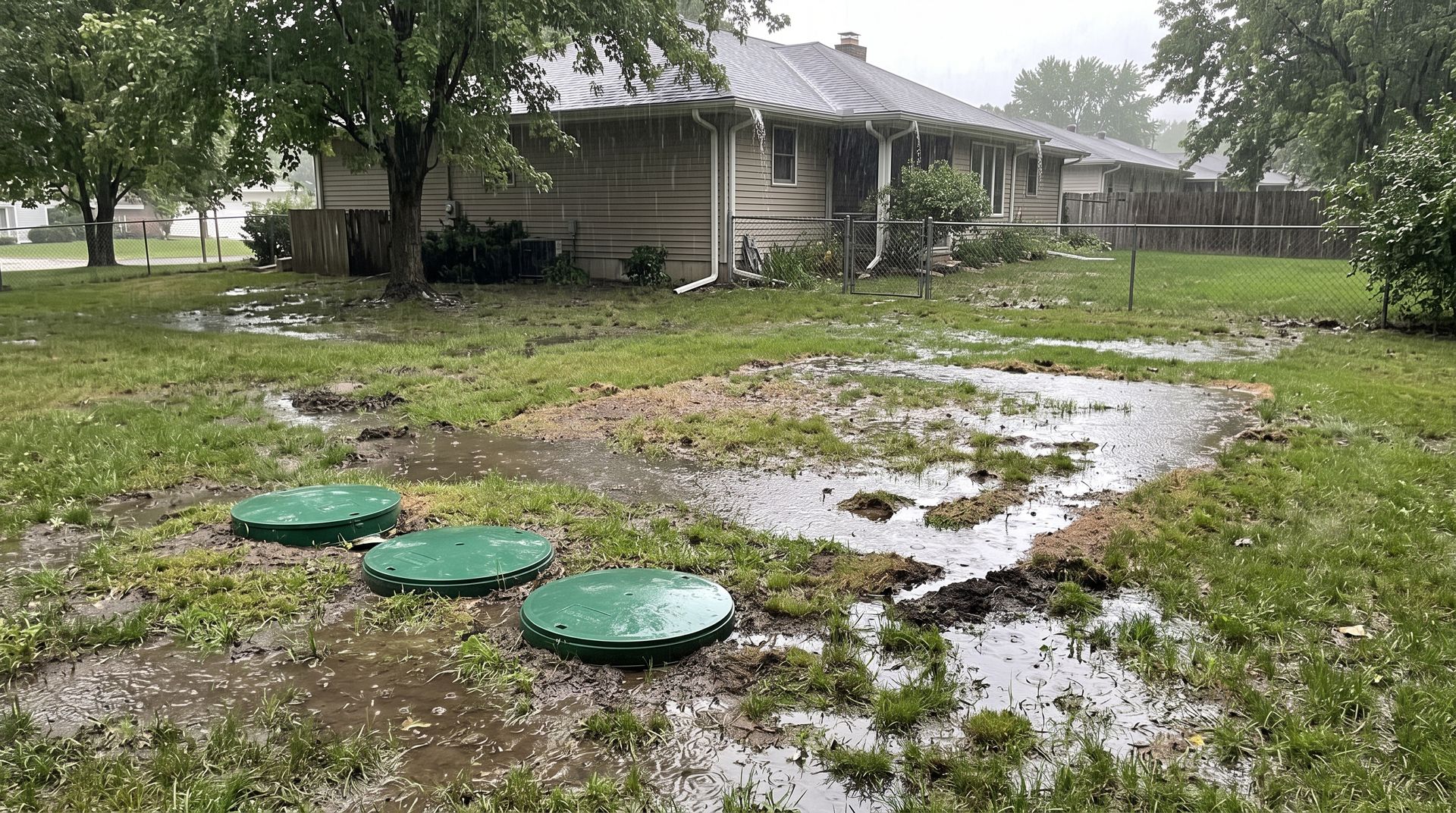
During extended periods of wet weather, avoiding unnecessary water use can be particularly helpful because the soil surrounding the drain field may already contain additional moisture.
Keep the Right Materials Out of Your Septic System
Toilets and household drains should not become disposal points for materials that belong in the trash.
Avoid flushing wipes, paper towels, feminine hygiene products, cat litter, or other non-degradable items. Cooking grease, paint, solvents, automotive fluids, and excessive amounts of household chemicals should also stay out of the septic system.
Be Practical With Kitchen Waste
Food scraps add solids to the system. Scraping plates into the trash or compost before washing them is a simple way to reduce unnecessary material entering the septic tank.
Garbage disposals should not replace good waste habits. Keeping food waste out of drains whenever practical reduces the amount of material the septic system must handle.
Protect Septic Areas From Vehicles and Equipment
This is especially important for rural properties.
Tractors, trailers, trucks, construction equipment, and other heavy vehicles should not routinely cross or park on a septic drain field. Their weight can compact the soil and may place pressure on buried components.
A drain field that looks like an open section of lawn may appear to be a convenient route to a barn, field, or work area. Once you know where the system is located, establish equipment routes that avoid it.
Be Careful During Property Projects
Contractors may not know where your septic system is unless you tell them.
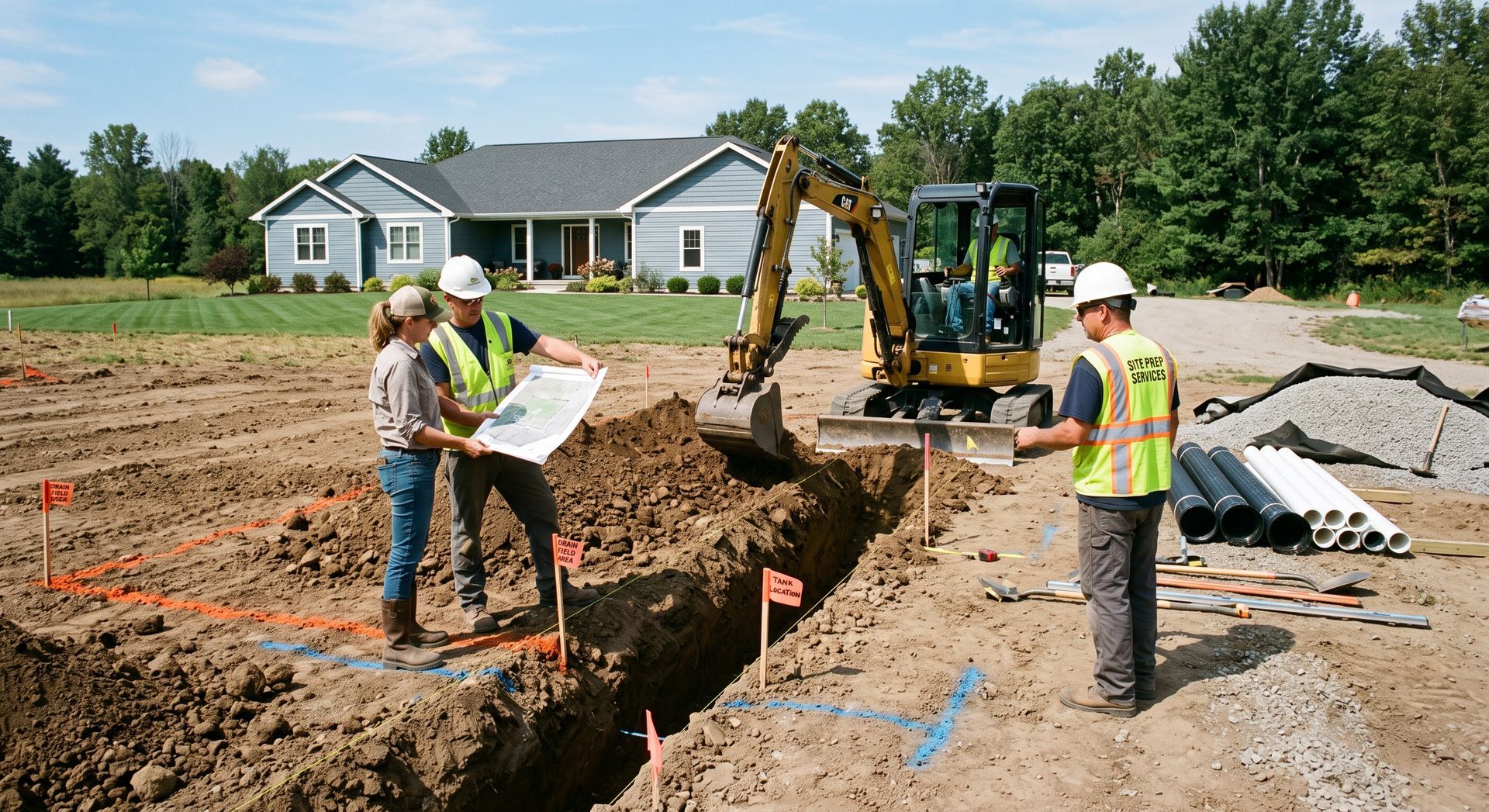
Before excavation, tree work, utility installation, driveway improvements, or other construction begins, identify septic areas and communicate their location. Preventing heavy equipment from entering the wrong part of the property is easier than addressing damage afterward.
Plan Landscaping Around the Drain Field
The drain field should remain accessible and free from improvements that interfere with its function.
Avoid constructing sheds, patios, driveways, or other permanent structures over the area. Trees and large shrubs should also be planned carefully because expanding root systems may interfere with underground components.
Shallow-rooted vegetation is generally more appropriate around septic areas.
Consider Future Buildings Before Construction
Rural properties often evolve. A homeowner may eventually add a pole barn, garage, workshop, pool, home addition, or another driveway.
Include the septic system in those plans from the beginning. A convenient-looking building location may conflict with existing septic components or areas that need to remain available for the onsite wastewater system.
Manage Water Around the Property
Larger rural lots can have complicated drainage patterns. Long driveways, slopes, ditches, roofs, outbuildings, and graded areas all influence where stormwater travels.
Downspouts and surface grading should not intentionally direct excess runoff toward the drain field. After substantial rainfall, observe where water collects and how it moves across the property.
When driveway grading or broader runoff contributes to drainage concerns, professional driveway and drainage services can help manage water movement around the site.
Consider Wells and Private Utilities
Rural homes frequently rely on infrastructure that urban properties do not.
A property may include a private well, water lines to barns, buried electrical service, drainage pipes, or utilities serving detached buildings. Knowing where these features are located is important when planning septic repairs, excavation, or new construction.
Keep records of private utility routes when available and share relevant information with contractors before digging begins.
Recognize When the System Needs Attention
Good maintenance also means noticing when normal conditions change.
Multiple slow drains, recurring sewage odors, wastewater backups, or persistently wet ground near septic components should not be ignored. These symptoms can have different causes, so avoid assuming that one visible problem automatically tells you what needs repair.
A professional evaluation can identify the condition of the septic system before decisions are made about corrective work.
FAQs About Rural Septic System Care
Can tractors drive over a septic drain field?
Heavy vehicles and equipment should be kept away from the drain field. Their weight can compact soil and potentially damage underground components.
Can I build a barn near my septic system?
Potential building locations should be reviewed with the septic layout in mind. Existing components and protected septic areas need to be considered before construction.
Should rural homeowners keep septic records?
Yes. Site plans and service records can help locate components and provide useful information when maintenance, excavation, or future property improvements are planned.
Can property drainage affect a septic area?
Yes. Runoff directed toward the drain field can add unnecessary surface water. Grading, downspouts, driveways, and other property features should direct excess water appropriately.
Septic Service for Rural Central Ohio Properties
Need septic service for a rural property in Sunbury or Central Ohio?
Contact Risha Enterprises for professional assistance.