How Long Does a Septic System Last in Ohio?
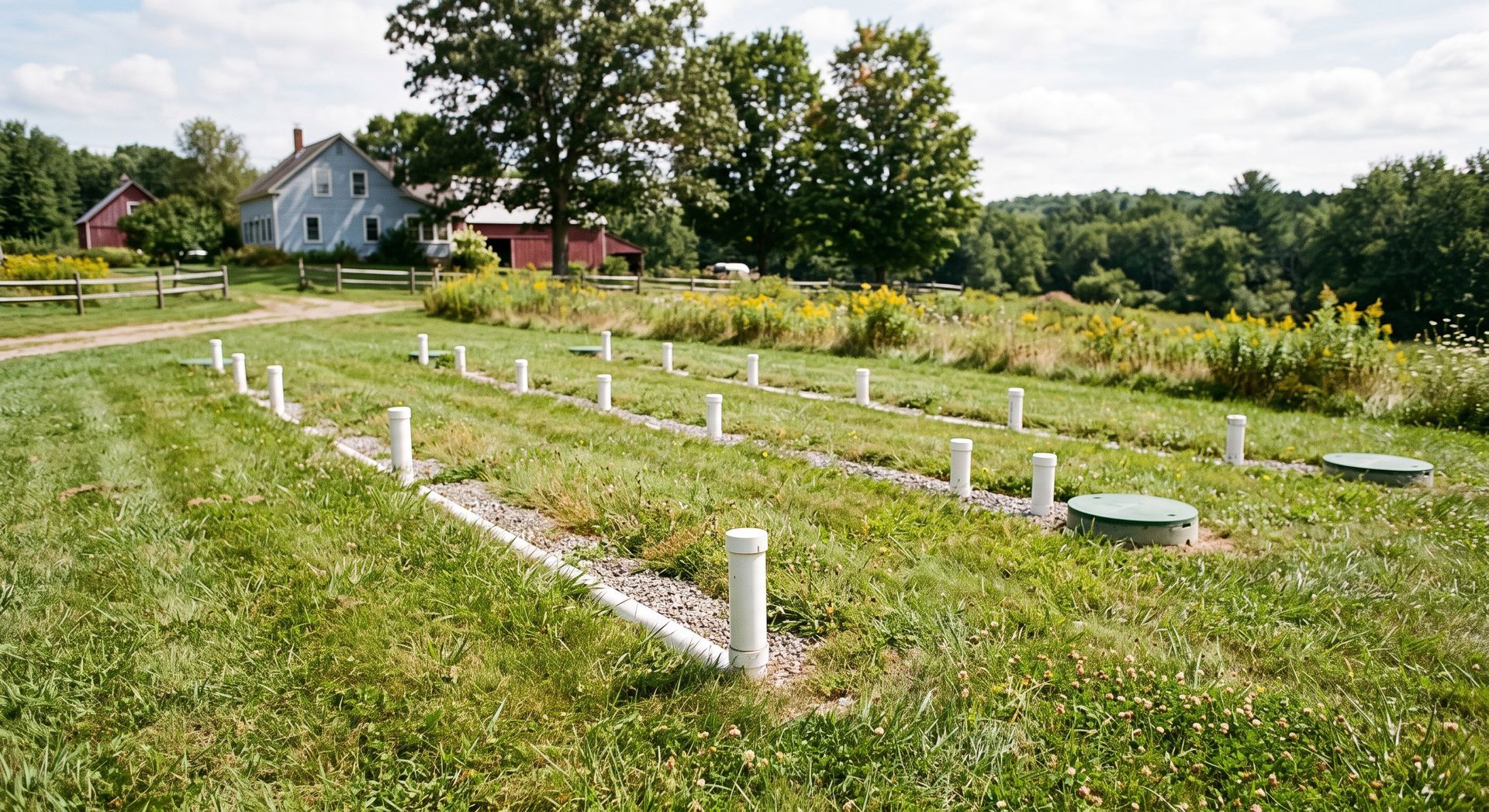
A properly installed and maintained septic system in Ohio typically lasts 20 to 30 years—and sometimes longer. However, lifespan depends heavily on soil conditions, maintenance frequency, water usage, and installation quality. In areas like Sunbury, OH, where clay-heavy soil and seasonal weather changes are common, proper care plays an even bigger role in system longevity.
If you’re a homeowner in Sunbury 43074 or anywhere in Delaware County, here’s what determines how long your septic system will last—and how to extend it.
What Impacts Septic System Lifespan in Ohio?
Several key factors determine how long your septic system performs effectively.
1. Soil Conditions
Ohio’s soil varies by region. In Sunbury and much of Delaware County, clay-rich soil drains slowly.
This affects:
- Drain field absorption
- Water retention
- Long-term system stress
When soil does not absorb wastewater efficiently, drain fields can saturate prematurely.
According to the U.S. Environmental Protection Agency, soil type is one of the most important variables in septic system performance ([EPA Septic Overview – https://www.epa.gov/septic]).
2. Installation Quality
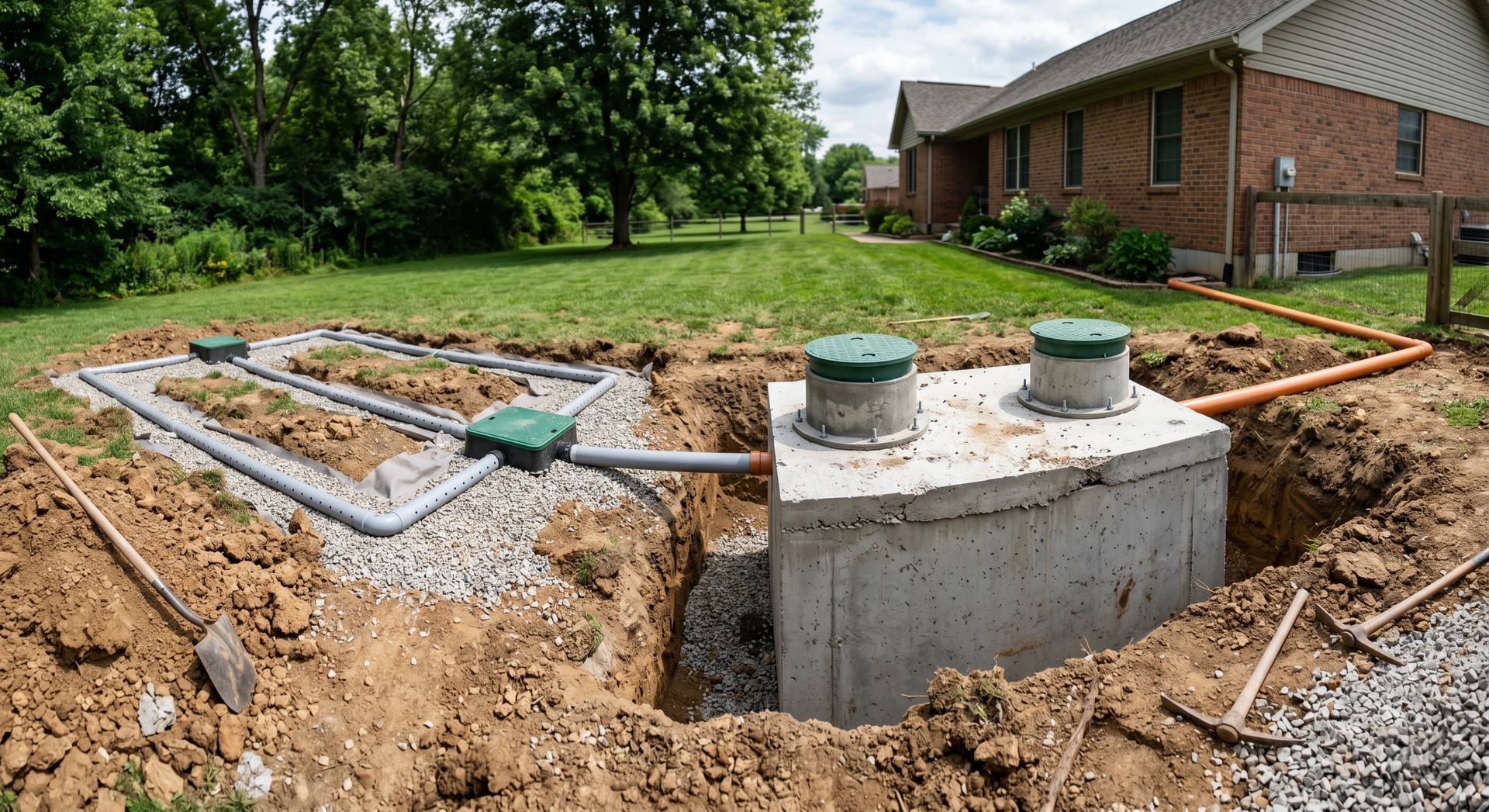
A septic system installed with:
- Proper grading
- Accurate trench depth
- Correct tank leveling
- Approved materials
Will last significantly longer than one installed improperly.
Poor excavation or incorrect slope can shorten lifespan dramatically.
Risha Enterprises provides professional:
[Septic System Installation & Repairs – https://www.rishaenterprisesllc.net/]
Proper installation from the start protects your long-term investment.
3. Maintenance and Pumping Frequency
Regular pumping is critical.
Most systems in Ohio should be pumped every 3–5 years depending on:
- Household size
- Water usage
- Tank size
Failure to pump allows solids to overflow into the drain field, causing irreversible damage.
The Ohio Department of Health recommends regular inspection and maintenance to prevent early system failure ([Ohio Sewage Treatment Systems – https://odh.ohio.gov/]).
4. Household Water Usage
Excessive water use strains your septic system.
Common stressors include:
- Running multiple appliances simultaneously
- Leaky toilets
- Large households exceeding system design capacity
- Heavy garbage disposal use
Reducing water waste extends system lifespan.
5. What You Flush
Never flush:
- Wipes (even “flushable” ones)
- Grease or cooking oils
- Feminine hygiene products
- Harsh chemicals
- Paint or solvents
These materials disrupt bacterial balance and can clog pipes and drain fields.
Average Septic System Lifespan by Component
Not all parts age equally.
Septic Tank
Concrete tanks can last decades if not exposed to structural stress or corrosion.
Drain Field
Drain fields often determine overall lifespan. With proper care, they may last 20–30 years or longer.
Distribution Lines
Pipes and connections may require repair sooner if root intrusion or soil shifting occurs.
If your system is nearing the 20-year mark, inspections become increasingly important.
Signs Your Septic System Is Nearing End of Life
Watch for these warning signs:
- Frequent backups
- Slow drains throughout the home
- Persistent sewage odors
- Standing water near drain field
- Lush, bright green grass over septic area
- Increased need for pumping
If you notice these symptoms in Sunbury, it may indicate drain field fatigue or system failure.
Can a Septic System Last Longer Than 30 Years?
Yes — with proper installation, conservative water use, and consistent maintenance, some systems exceed 30 years.
However, in clay-heavy areas like Sunbury, soil limitations may reduce lifespan if drainage is not properly managed.
Protecting your drain field from:
- Surface water runoff
- Vehicle traffic
- Compaction
Is essential for longevity.
Risha Enterprises also provides:
[Excavation & Site Preparation – https://www.rishaenterprisesllc.net/]
Proper grading around your septic system can extend its usable life.
How to Extend the Life of Your Septic System
Here are proven strategies:
Pump Regularly
Follow a consistent pumping schedule.
Conserve Water
Fix leaks and space out appliance use.
Protect the Drain Field
Do not drive, build, or plant deep-rooted trees near it.
Manage Surface Water
Ensure proper yard grading to prevent saturation.
Schedule Inspections
Professional inspections catch minor issues before they become major failures.
What Happens When a Septic System Fails?
Failure can lead to:
- Sewage backups into the home
- Contaminated groundwater
- Health department violations
- Costly full system replacement
Acting at the first sign of trouble prevents extensive damage.
If you're searching for septic service near me in Sunbury, early evaluation can save your system.
FAQs About Septic System Lifespan in Ohio
How long does a septic system last in Sunbury, OH?
Most systems last 20–30 years, depending on maintenance and soil conditions.
Does clay soil reduce septic lifespan?
Clay drains slowly, which can increase stress on the drain field if not properly designed.
How often should I inspect my septic system?
Inspections are recommended every few years, with pumping every 3–5 years
Can a failing drain field be repaired?
In some cases, partial repairs are possible. In others, full replacement may be required.
Protect Your Septic Investment in Sunbury
Your septic system is one of the most important infrastructure components of your property. With proper maintenance and professional oversight, it can serve your home reliably for decades.
If your system is aging or showing signs of trouble in Sunbury, OH 43074 or surrounding Delaware County communities, Risha Enterprises is here to help.
Contact us today to schedule an inspection or consultation and ensure your septic system continues performing at its best.